


Baby care
Tape diapers and pull-on baby pants, with distinct waistband and side-panel constructions for your brand’s size range.
Explore this rangeDiaper and hygiene product manufacturing for private label brands, distributors and importers.
DiaperOrigin brings product selection, material choices and branded packaging into one manufacturing brief. Explore the range, compare the construction details and start with a sample that matches your market.
Baby care, feminine hygiene, incontinence care, pet care and wet wipes. Compare the product formats before deciding what belongs in your assortment.
Tape diapers and pull-on baby pants, with distinct waistband and side-panel constructions for your brand’s size range.
Explore this range
Panty liners, day and night sanitary pads, and menstrual pants. Compare length, thickness, wings and individual packaging.
Explore this range
Adult tape diapers, pull-on pants, light incontinence pads and bed underpads for retail and care procurement.
Explore this range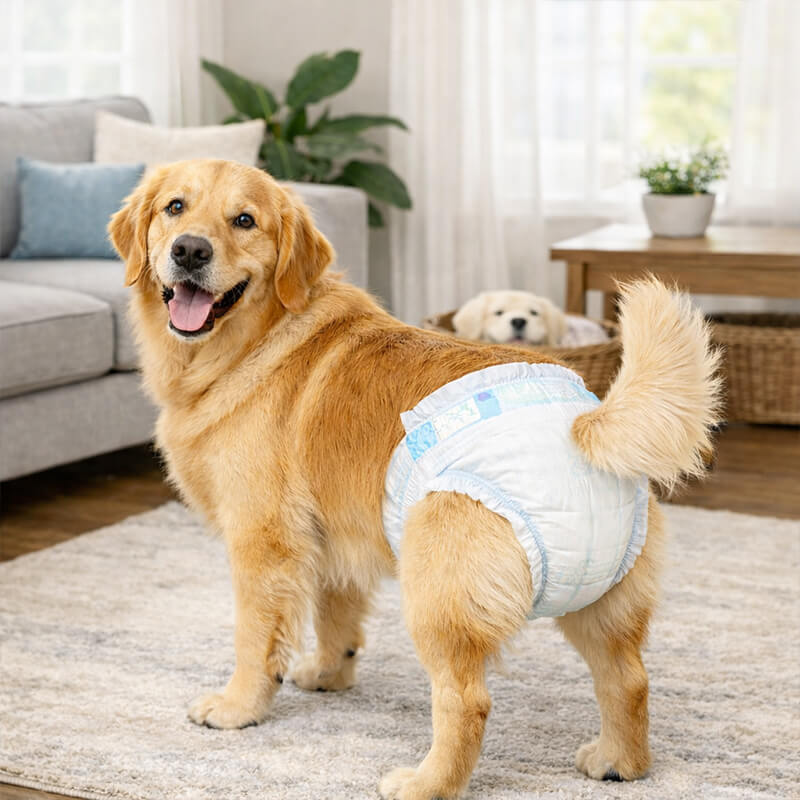
Disposable pet diapers and training pads, with separate specifications for wearable fit and floor protection.
Explore this range
Baby wipes with pack-closure choices and material options to review alongside the lotion formula and supporting product documents.
Explore this range
OEM and ODM support begins with the product you want to supply.
Connect product selection with material choices, size ranges, samples and packaging. An agreed specification gives your team a clear reference for the quotation and the production order.
Start with the product and the market. These answers explain how to prepare a useful brief for our team.
Ask our teamThe range includes baby tape diapers and pants, feminine-care pads and menstrual pants, adult incontinence products and bed underpads, pet diapers and training pads, and baby wipes. Each family has its own model and specification choices.
Discuss the product model, size range, materials or core, pack count and branded artwork. The available options depend on the selected construction, so confirm the offered specification and sample before approving production.
The product construction, size assortment, packaging versions and order quantity affect the production proposal. Send those details for a quotation and confirm the schedule for the selected SKUs; there is no single figure that applies to the whole range.
Yes. Identify the model, size and materials you want to assess. Review the sample against your product requirements, then confirm which specification and packaging are covered by the production offer.
Request current documents relevant to the offered product, material and manufacturing scope. Confirm the document holder, validity and applicability to your destination market; a general supplier certificate does not automatically cover every product.
Start with the products your customers need, then define what makes each SKU different. DiaperOrigin’s catalogue separates wearable absorbent products, surface-protection pads and baby wipes so a brand or importer can compare the right construction before discussing packaging and supply.
Baby tape diapers and pull-on pants have different fastening and fit details. Sanitary pads, menstrual pants and incontinence products also serve different product briefs. Select the format first; a shared description such as soft, slim or absorbent does not make two constructions equivalent.
Give each model, size and pack version its own line in your range plan. This helps distinguish a product change from a packaging change. A distributor comparing several families can then see which sample, construction and quantity belong to each proposed retail item.
Read the product specification alongside the sample and packaging brief. For diapers and pads, compare the relevant core and fit details; for wipes, compare the substrate, lotion and closure. A unit-price comparison is useful only when the included product and pack are clear.
The catalogue provides options rather than a required assortment. Identify the formats, size coverage and sales channel your brand plans to serve, then discuss samples and quantities for that selection. Keep future range additions separate from the first order brief.
Open the individual product page for its construction photographs, listed specification and buyer questions. Use those details to identify the offered model; confirm outstanding dimensions, materials and packaging requirements before approving a sample or order.
Tell us which products, specifications and packaging your market needs. We will review the sample and manufacturing scope with you.