

Baby care
Extra-wide waistband baby diaper
A tape-style baby diaper with an extra-wide waistband, wide fastening tapes and dual-layer leg barriers. Develop the fit, core and packaging for your private label range.
View specifications
Pull-on baby pants with a 360° elastic waistband, ultrasonic side seams and a disposal tape. Review this construction alongside Q-shape pants for your retail range.
For a pull-on baby pants assortment, T-shape construction should be evaluated as a complete garment. The 360° waistband, ultrasonic side seams and leg openings need their own measurements and sample approval, apart from any tape diaper range.
Include your sizes, quantities and destination market.
T-shape baby pants are a pull-on diaper option with a 360° spandex waistband. The published design includes ultrasonic side sealing, out-folded leg cuffs, dual-layer leg barriers and a tape for securing the used diaper for disposal.
T-shape and Q-shape identify different constructions in the DiaperOrigin range. Choose between them by reviewing samples, fit and the quoted specification. Unit cost depends on the finished materials, core, size mix and packaging, so the design name alone is not a price comparison.
Begin with the wearer ranges you plan to supply, then compare the body shape and core in those sizes. Keep the T-shape reference on the quotation rather than using baby pants as the only product description.
Check the relaxed and stretched waistband dimensions against the proposed wearer chart. Record the intended assessment conditions for the spandex waistband so samples from different sizes are not compared by appearance alone.
Review the ultrasonic seam position and finished join, then inspect the out-folded cuffs and dual-layer barriers. Keep these observations with the corresponding size and core reference when your team records sample approval.
Check the disposal tape location and its function on the complete sample. Record it independently from the side seams; it is an after-use feature rather than the fastening system for wearing these pull-on pants.
Construction details for this model. Confirm the configuration on your selected sample.
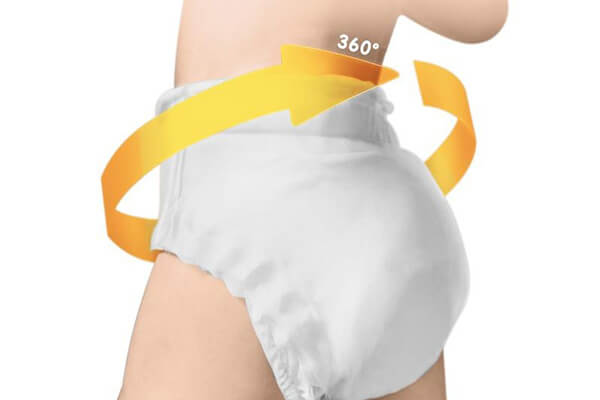
Compare the waist stretch against the intended wearer range.
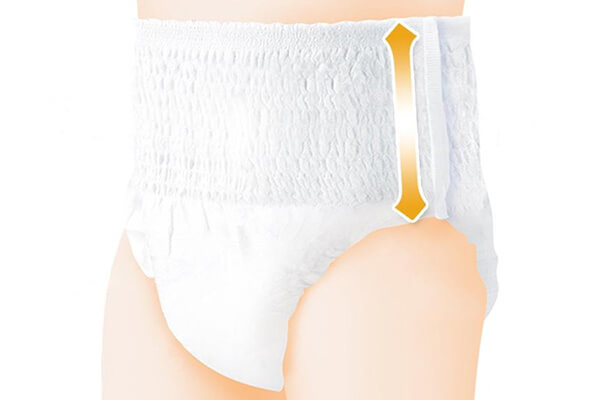
Review the finished side seams on the proposed size.
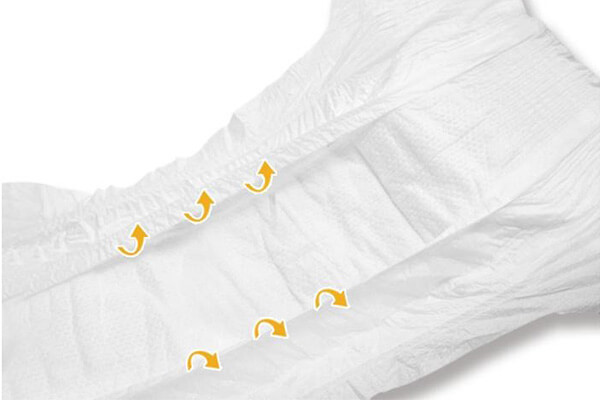
Check cuff placement and the leg opening.
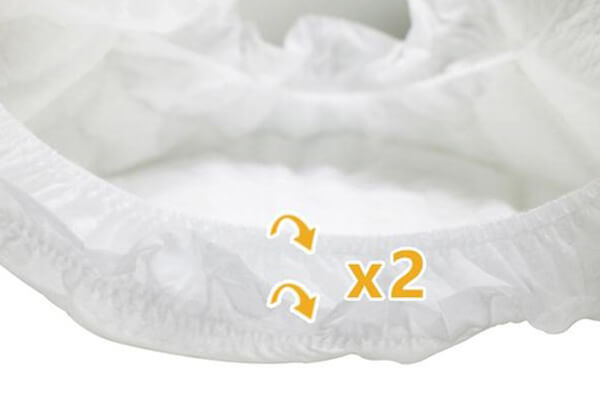
Record the barrier detail in the approved construction.
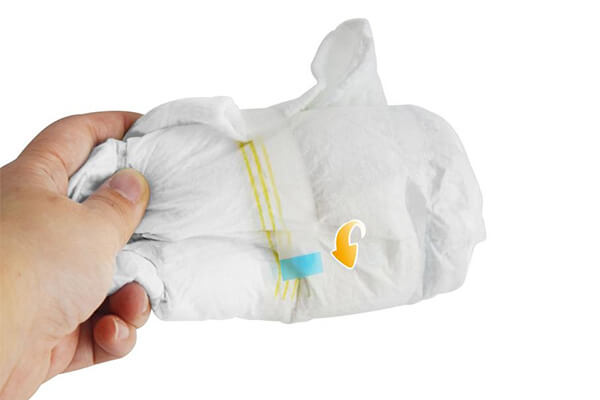
Check the after-use tape position and fastening.
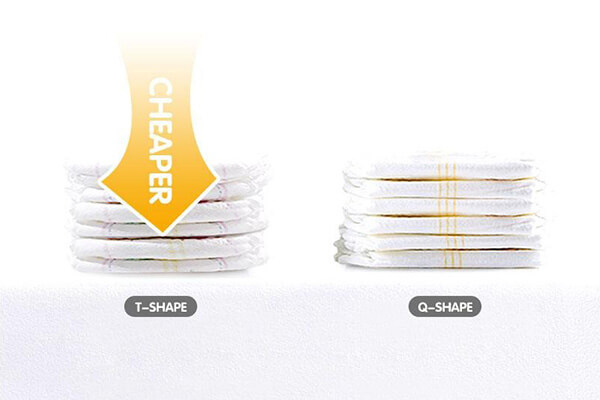
Compare the complete design and quoted materials with other pants options.
Use the listed product information as a starting point. Agree the final sample, dimensions and order configuration with our team.
Request a specification sheet| Product format | Disposable pull-on baby pants |
|---|---|
| Waistband | 360° spandex waistband |
| Side seams | Ultrasonic sealing |
| Leg construction | Out-folded cuffs and dual-layer barriers |
| After-use feature | Disposal tape |
| Sizing | Confirm available sizes and the wearer weight chart |
A useful OEM brief identifies the pull-on construction as well as the core and retail unit. If evaluating both T-shape and Q-shape options, keep two proposal references with comparable sample and packaging requirements.
For your baby-care assortment, specify the wearer weight ranges and quantity by size. Review waist stretch, seam integrity, the leg opening and core dimensions on samples; a pull-on fit should be assessed separately from a tape diaper in the same nominal size.
Compare T-shape and Q-shape proposals using the same material, absorbency and packaging requirements. Include pieces per pack, packaging artwork and the intended retail channel so the quotation reflects the complete product you plan to sell.
Request the product specification, packaging information and relevant test or supplier documents for the offered model. Review the holder, scope and validity before making claims for your brand or destination market.
Explore OEM & ODM manufacturingCompare the format, sample and order specification before choosing this product for your range. These answers explain the details to clarify with our team.
Ask a product questionCompare waistband and body construction, waist and leg measurements, side seams, core and the agreed performance assessments. Request equivalent sizes and packaging for a useful quotation comparison.
The published design includes a tape for securing the rolled used diaper. Confirm its placement and function on the sample; it is separate from the waistband and side seams.
Confirm a chart for the actual pants model. A shared size letter does not establish the same waist stretch, leg opening or wearer weight range across different constructions.
Identify the pants size, seam position, finished construction and agreed seam checks on the sample record. Retain the sample reference with the order specification so an approval cannot be confused with a different body shape or size.
One sample can begin the discussion, but ask for the measurements and construction offered for every size you intend to buy. Identify which sizes have been physically reviewed and which still require sample confirmation before the assortment is approved.
Baby care
A tape-style baby diaper with an extra-wide waistband, wide fastening tapes and dual-layer leg barriers. Develop the fit, core and packaging for your private label range.
View specifications
Baby care
A baby tape diaper with elastic side fastening and an elastic back waist. Compare the fastening geometry, leg cuffs and core before building your size assortment.
View specifications
Baby care
Pull-on baby pants in a published M–XXXXL size range, with a 360° elastic waistband and all-in-one cutting design. Specify each size and core for your private label order.
View specificationsShare the sizes, planned quantities and packaging you need for T-shape baby pants. We can then review the sample and supply requirements.